Cupping
Cupping Services
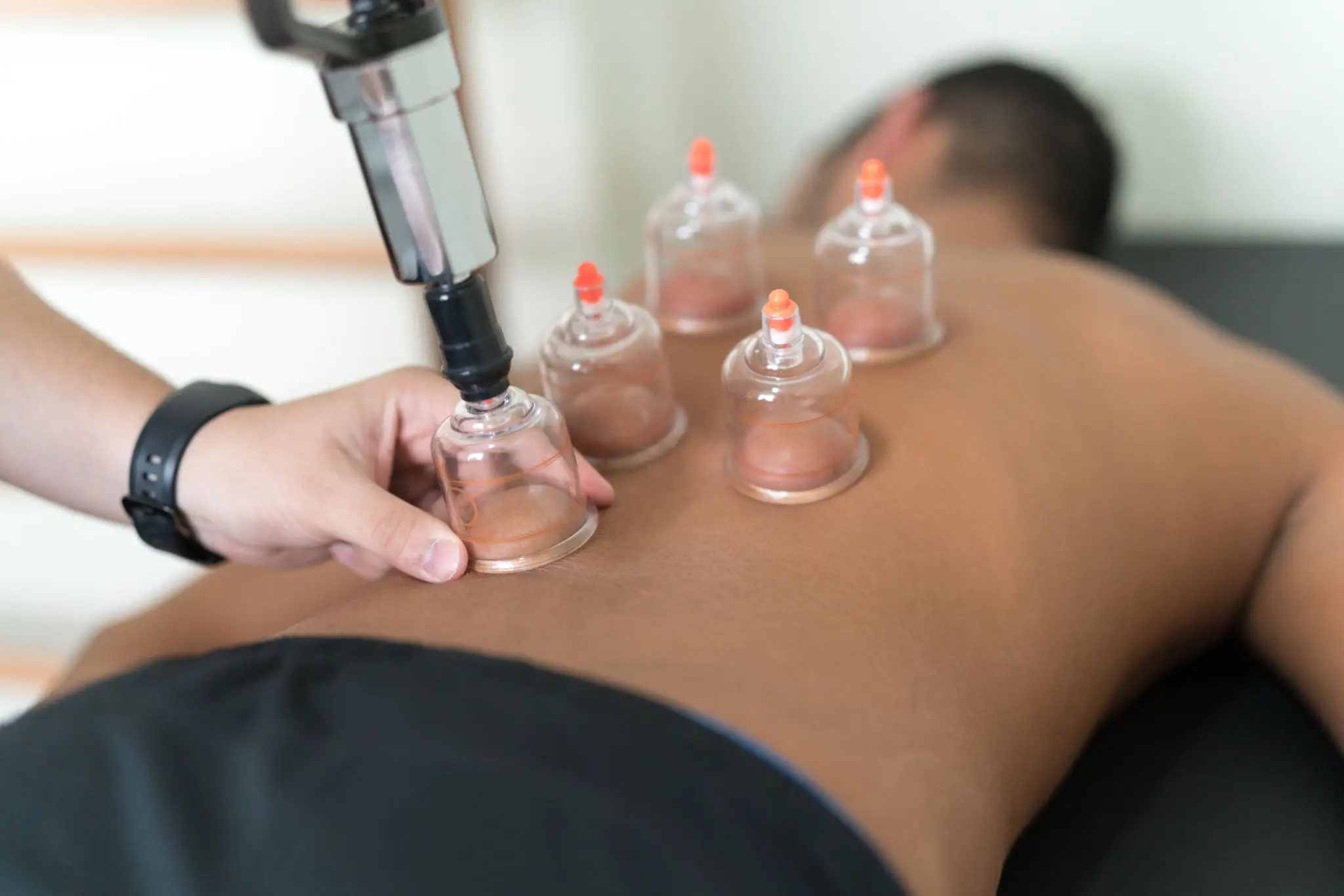
Cupping is commonly used alongside acupuncture to help release muscle tension, improve circulation, and support the body’s natural healing process. At Acupuncture With Melissa, cupping is performed using small cups that create gentle suction when placed on the skin.
This suction lifts and decompresses the skin, fascia, and superficial muscle layers, helping tight or stagnant areas release more effectively. Many people describe cupping as a “reverse deep tissue massage”—rather than pressing into tight muscles, the cups gently draw tissue upward to encourage relaxation and movement.
The suction also promotes circulation to the treated area, supporting faster recovery and relief.
What Does Cupping Feel Like?
Most clients find cupping to be comfortable and even enjoyable. The level of suction can be adjusted to suit your sensitivity and comfort level. While you may feel pressure, treatment should not feel painful.
Cupping is most often applied to the back and neck, but may also be used on other areas depending on your needs. It is commonly chosen to help relieve:
Will Cupping Leave Marks?
Cupping may leave temporary circular marks on the skin that typically last 5–10 days. These marks are not bruises and do not hurt, though their color can vary depending on muscle tension and circulation in the area. Tighter areas tend to leave darker marks.
The marks fade naturally and are not permanent. Many clients notice that the marks become lighter and shorter‑lasting with repeated treatments.
Am I a Good Candidate for Cupping?
Cupping may not be recommended if you:
Your practitioner will review your health history and determine whether cupping is appropriate for you.
Cupping Aftercare
After a cupping session, we recommend:
Discoloration will gradually fade and becomes less noticeable with continued care.